

While city environments in the province of Ontario keep evolving, the infrastructure that facilitates our everyday activities, especially drainage and sewer systems, is facing new challenges and prospects. Advancements in drain management are in development to address the growing needs posed by rising population, climate change, and the need for eco-friendly solutions. From advanced inspection techniques to efficient repair methods, the future of sewer systems in the province is being reimagined.
One of the primary focal points is the role of modern diagnostics, such as closed-circuit television sewer inspections, which allow property owners to detect hidden damage in side sewer lines without invasive digging. Alongside methods like trenchless technology for sewer repair and cured-in-place pipe lining, these innovations provide efficient alternatives to traditional methods, minimizing disruption while guaranteeing durable outcomes. Understanding these innovations is crucial for property owners and municipalities alike, as they strive to protect their homes from water damage and sewage-related issues while adhering to changing regulations and standards.
Innovative Inspection and Fixing Approaches
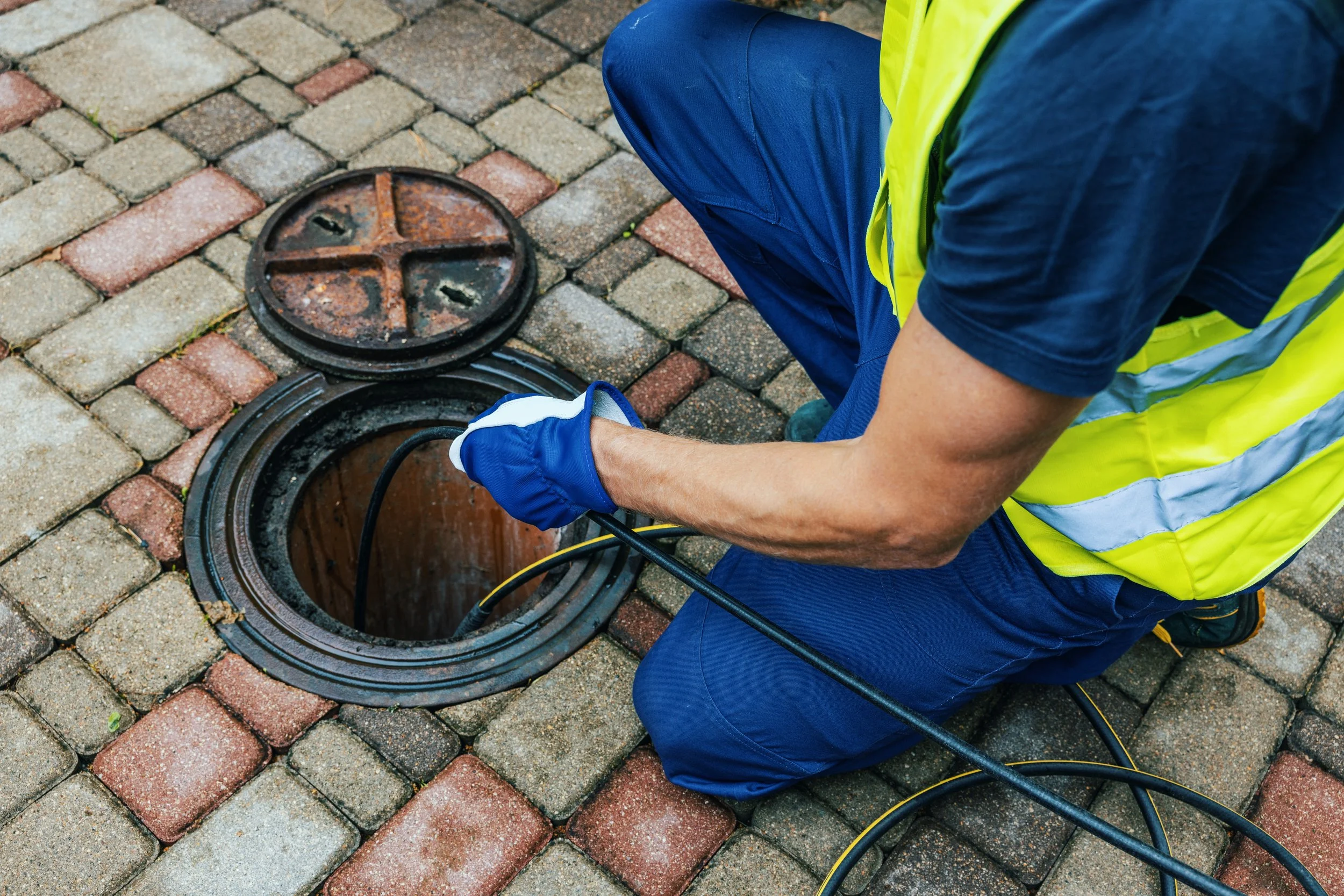
The area of sewer management in Ontario is evolving with the incorporation of innovative technologies for analyzing and repairing sewer systems. One such development is the employment of CCTV sewer camera inspections. This minimal disruption process allows experts to spot hidden problems within lateral lines, allowing timely interventions before minor issues escalate into costly fixes. By using high-resolution cameras, experts can identify tree root intrusion, cracks, and blockages without the need for excavation, making it an critical tool for preserving the integrity of clay sewer pipes across Southern Ontario.
In also to assessment upgrades, trenchless sewer repair methods are gaining traction as a favored alternative to traditional excavation. Techniques such as CIPP lining (CIPP) repair aging sewer pipes without the interruption of excavation. This approach is particularly beneficial in urban environments where surface disturbance can lead to significant inconveniences. Homeowners appreciate the less disruptive approach, which results in faster project completion times and often reduced overall costs. Comparing trench-free methods to conventional excavation highlights a growing trend towards selecting repair solutions that reduce disruption while enhancing efficiency.
Another important innovation involves backwater valve installation, providing safeguards against sewer surcharges that can lead to basement water damage. With heavy storms becoming more frequent due to climate change, homeowners are turning to this successful solution to protect their properties. By stopping wastewater from reversing into homes, these valves play a significant role in flood management. Proper installation and maintenance of backwater valves, coupled with rebates available for municipal basement flooding protection, ensure that Ontario homes are better equipped to handle extreme weather scenarios, making the prospects of sewer systems more robust.
Preventive Steps for Property Owners
Property owners in Ontario can take multiple proactive actions to ensure the efficient functioning of their drain and sewer systems. Routine inspections, particularly through methods like CCTV sewer camera inspections, allow property owners to detect hidden issues such as lateral line damage and root intrusion from trees. Sewer drain cleaning of these problems can save homeowners considerable time and money while preventing more severe complications in the future.
Another essential preventative measure is the setting up of safety devices, such as backwater valves. These valves help to guard against sewer surcharges that can cause flooding in basements during intense rainfall or sewer system overloads. Additionally, understanding your property’s drainage system and executing proper downspout disconnection from the sanitary sewer can further reduce risks associated with poor drainage.
To sum up, maintaining your lawn and landscaping is crucial to preventing drainage issues. Property owners should ensure that trees and shrubs are not planted too close to sewer lines, as roots can infiltrate and damage pipes. Regularly cleaning gutters and downspouts, as well as maintaining outdoor drainage features like French drains and catch basins, helps to direct water away from the foundation, diminishing the likelihood of issues related to groundwater seepage and sewer blockages.
Grasping City Duties
In Ontario, municipalities play a crucial role in maintaining the effectiveness of wastewater systems and providing proper drainage. Each municipality has individual responsibilities regarding the function, maintenance, and restoration of public sewer facilities. This typically includes the primary sewer lines that carry effluent away from homes and enterprises and the surface water systems that handle stormwater runoff. Understanding these responsibilities helps residents know what to expect from their local government when it comes to wastewater management.
Property owners often confuse the ownership and accountability of sewer pipes. While cities are overseeing the sewer mains within the public way, householders are generally responsible for the lateral lines that stretch from their land to the local connection. This clarification is important because it establishes who is in charge of repairs and care. Proper knowledge on these responsibilities can stop disputes and define the service expectations for residents.
Additionally, cities may provide programs or projects to assist homeowners in addressing sewer-related issues, such as financial encouragement for backwater valve installation or refunds for basement flooding prevention. Understanding Sewer line inspection can be helpful for residents facing wastewater challenges, empowering them to take advantage of available help while aligning their obligations with those of the municipality.