

In Ontario, the complex system of drainage and wastewater systems plays a crucial role in safeguarding public health and defending homes against water issues. While often hidden beneath the surface, these systems play a key role in managing waste and stormwater effectively. Sadly, many homeowners do not realize the myriad challenges that can arise, including tree root intrusion affecting clay sewer lines to the critical need for trenchless repair solutions. As heavy rains and snowmelt disrupt the ground, understanding how to manage these problems is more critical than ever.
With the growth of urban areas and climate patterns become more erratic, the importance of regular maintenance and innovative solutions for wastewater systems is paramount. From Sewer line inspection of CCTV sewer camera inspections for diagnosing hidden issues to installing backwater valves to prevent basement flooding, homeowners must arm themselves with the necessary knowledge to handle their sewer systems proficiently. In this article, we will discuss key aspects of Ontario's drain and sewer infrastructures, sharing information on the potential problems, creative solutions, and best practices for maintenance that all homeowners ought to understand.
Closed-Circuit Television Inspections and Resolving Drainage Problems
Closed-Circuit Television sewer camera inspections are an essential tool for assessing concealed side pipe issues in Ontario. With state-of-the-art camera tools, these inspections enable professionals to view the inside of drain lines without the need for invasive excavation. Homeowners gain advantages from this approach, as it helps in detecting problematic areas like fractures, leaks, or obstructions caused by roots or debris. Detecting these issues early can avert costly maintenance and possible health risks.
Tree root intrusion is a prevalent issue impacting clay sewer pipes throughout southern Ontario. Tree roots naturally seek out moisture and nutrients, often infiltrating aged, less resilient pipes and resulting in major issues. When a CCTV inspection shows root invasion, homeowners can act quickly to resolve the issue before it escalates. This preventive approach not only protects the structure of the plumbing system but also reduces the likelihood of wastewater overflows.
CCTV surveys additionally serve a crucial role in shaping maintenance strategies, particularly in choosing between no-dig drain repair methods and conventional excavation. The data gathered from video footage assists professionals in assessing the extent of damage and determining the most effective course of action. Residents can gain confidence realizing that they have a comprehensive understanding of sewer status and can make knowledgeable choices regarding care and restorations.
Sewer Repair Solutions: Trenchless vs. Conventional
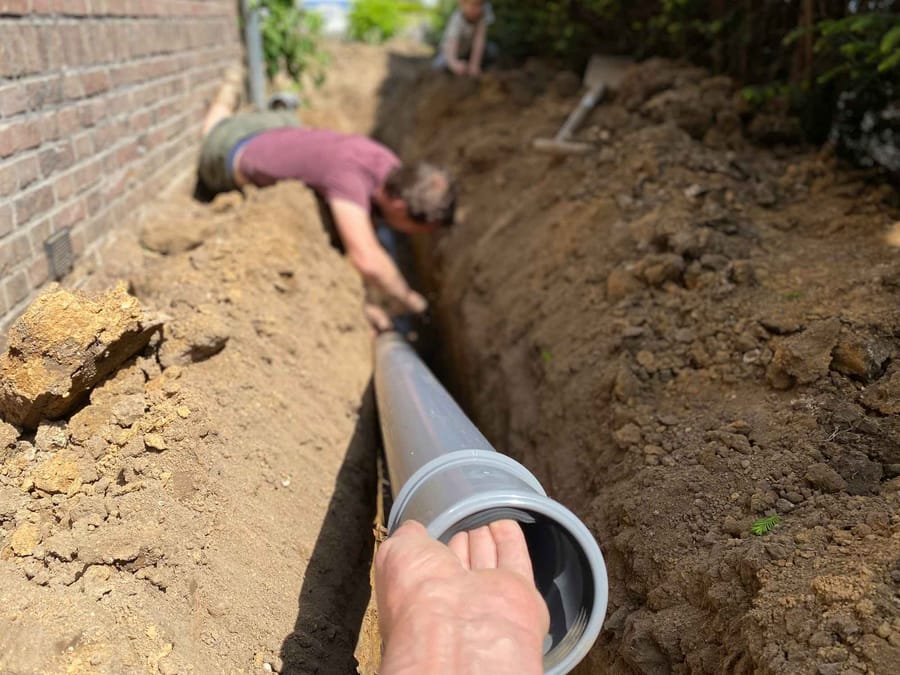
When faced with sewer line issues, property owners in the region often grapple with the decision between no-dig and traditional repair methods. Traditional digging involves excavating large sections of yard or driveway to access the broken pipes. This approach, while effective, can be intrusive and time-consuming, leading to significant yard restoration costs after the repair is completed. Residents may find themselves dealing with not only the inconvenience of a disrupted yard but also the long-term implications of soil settling and potential damage to surrounding structures.
On the other hand, no-dig repair technology has gained popularity for its effectiveness and minimal impact to the property. Techniques such as pipe bursting and Cured-in-Place Pipe (CIPP) lining allow for repairs to be made without extensive digging. This method can save property owners hours and money, as the need for restoration work is significantly reduced. The long-lasting results of trenchless repairs also offer reassurance, reducing the risk of future issues that might arise from traditional methods.
While the initial costs of trenchless technology may be higher than traditional methods, the overall value often leans in favor of its advantages. Property owners should consider factors such as the extent of the damage, the age of the plumbing system, and their budget when choosing a repair option. Ultimately, making an informed decision can lead to a more effective and less disruptive solution for maintaining and restoring the region's vital sewer infrastructure.
Preventative Actions for Ontario Homeowners
To prevent expensive drainage and sewer issues, Ontarian homeowners should emphasize routine maintenance and inspections. Implementing routine CCTV drain camera surveys can assist find latent problems within lateral lines before they grow into major issues. These inspections enable property owners to find tree root intrusion, fractures, and clogs early, ensuring the durability of their pipes. By being Sewer line repair , property owners can avoid the headaches associated with emergency fixes and maintain their peace of mind.
Another essential preventative action is the setup of backwater valves. These devices can substantially safeguard lower levels from wastewater surcharges during intense rainfall or system backups, thereby safeguarding your home against potential flooding. Ensuring that downspouts are disconnected from the wastewater sewer system is equally essential, as it stops overwhelming the sewer infrastructure during storms and minimizes the chance of backups. Sewer line replacement should also think about pump setup, particularly with backup battery systems, to further reduce flooding hazards during extreme weather conditions.
Lastly, managing outdoor drainage is important in preventing water-related problems inside the house. Installing French-style drains and yard catch basins can successfully divert surface water away from foundations, lessening the chance of groundwater infiltration. Routine cleaning and maintenance of gutters and drainpipes are vital to ensure they work properly. Property owners should also be aware of the impact of heavy clay soils on underground drainage and wastewater settlement, adjusting their yard drainage strategies as needed. By implementing these actions, homeowners can significantly lower the risk of subsequent drainage issues.