

As the province of Ontario keeps to develop and change, the importance of eco-friendly drain and sewer solutions has reached a new level of importance. With old facilities and increasing green concerns, residents and local governments alike are seeking creative ways to oversee their sewer and drainage solutions effectively. From state-of-the-art diagnostic approaches to green solutions, the future of these systems is not just about addressing current needs, but also about preparing for the issues that lie ahead.
One of the key components in this transformation is the embrace of technology-driven approaches, such as CCTV sewer camera surveys. These technologies help diagnose hidden harm in lateral lines, particularly in historic homes where tree root intrusion can create problems on earthy tubes. As neighborhoods across Southern Ontario struggle against challenges related to water overflow and water management, understanding the variety of options—ranging from trenchless technologies to backwater valve installations—will empower homeowners to make informed decisions that protect both their properties and the environment.
### Innovative Inspection and Repair Techniques
The adoption of new technologies in Ontario's drain and sewer management transformed how we assess and repair these critical systems. CCTV sewer camera evaluations have become a cornerstone for diagnosing unseen issues including lateral line damage in properties. These high-resolution cameras facilitate technicians to investigate previously unreachable sections within the sewer system, offering invaluable insights into the condition of pipes. This proactive approach helps homeowners avoid costly repairs by dealing with problems before they escalate.
A further notable technique is trenchless sewer repair, delivering significant benefits over old digging methods. This innovative process allows the repair or replacement of damaged pipes with minimal disruption to the landscape, saving time and money while reducing environmental impact. Sewer line inspection as cured-in-place pipe (CIPP) lining have gained popularity for their ability to restore aging sewer pipes without the need for extensive excavation, effectively extending the life of existing infrastructure while ensuring efficient water flow.
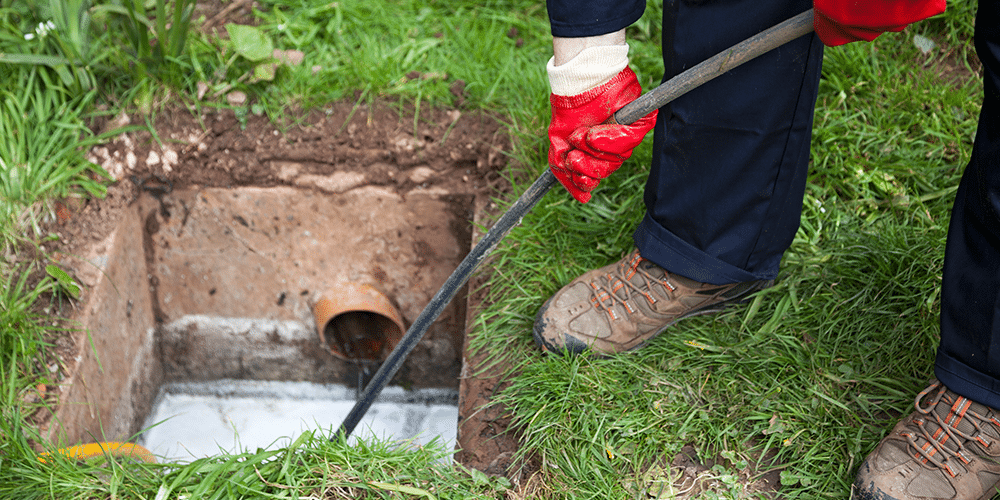
Moreover, with increasing awareness of environmental concerns and the impact of climate change on sewer systems, methods including hydro jetting are gaining traction. This powerful drain cleaning technique uses powerful water jets to clear severe blockages, effectively eliminating debris, roots, and buildup without harmful chemicals. As Ontario continues to prioritize sustainable practices in its drainage solutions, these innovative repair techniques serve a crucial role in preserving the integrity of the region's sewer systems while safeguarding public health and the environment.
Safeguarding Residences against Wastewater Backups
Wastewater backups can result in significant damage to homes, which results in costly repairs and health risks. One efficient measure to prevent this problem is the placement of backwater valves. These mechanisms serve as one-way gates, permitting wastewater to leave the residence while preventing sewage from flowing back in during intense storm conditions or system overloads. Residents in the province of Ontario should think about installing backwater valves put in place, especially in regions at risk of flooding or where drainage systems are under strain.
Another essential aspect of protecting homes from sewer overflows is consistent maintenance and checks of the main sewer lateral. Utilizing CCTV sewer camera inspections can aid identify hidden issues such as fissures, blockages, or intrusion from roots that may compromise the integrity of the sewer line. Anticipatory detection of these problems ensures timely repair and lowers the risk of a overflow occurring, which can lead to devastating effects on real estate and valuables.
Residents must also be mindful of their local regulations regarding drain management. For instance, detaching downspouts from the sanitary sewer is important in many provincial local governments. This step helps to lessen the amount of precipitation entering the sewer system during rainstorms, which thus reducing the chance of wastewater backups. Comprehending visit this page , along with putting in place preventative measures, plays a vital role in protecting houses from the threats associated with wastewater overflows.
Maintaining and Improving Drainage Solutions
Routine care of drainage systems is essential for property owners in Canada to prevent serious issues such as clogs and flooding. Property owners should allocate resources in tools like CCTV sewer camera surveys to discover hidden problems and check the health of lateral lines. This preventive approach can conserve money in the future by addressing issues before they escalate. Regular checks help guarantee that tree root intrusion, which can severely damage clay sewer pipes, is controlled properly, especially in heavily forested areas.
Upgrading modern technologies can considerably enhance the effectiveness of drainage systems. Techniques like trenchless sewer repair offer a more gentle alternative to traditional digging, thereby lessening disturbance to green spaces and surrounding properties. Homeowners should also think about the installation of backwater valves to protect basements from potential sewer surcharges during heavy rainstorms. These systems can protect homes and provide added assurance, especially as Ontario experiences increasingly common and severe weather events.
Being aware about available financial assistance for basement flooding protections in areas like Toronto, the Peel Region, and Halton is important for budgeting. Initiatives aimed at assisting homeowners in upgrading their systems can alleviate some of the load associated with these improvements. Furthermore, regular maintenance, including maintenance of sump pumps, fixing weeping tiles, and even adopting best practices for managing surface runoff, will enhance the resilience of properties against flooding and drainage challenges.