

Recently, the province of Ontario has faced growing issues with its drain and sewer systems, especially as urban areas expand and severe weather events occur more often. Property owners and communities alike are seeking long-term solutions to not only address these pressing issues but also to stop them from developing into larger issues. Comprehending the subtleties of the management of sewer and drain systems is crucial for maintaining the health and safety of our neighborhoods.
From cutting-edge technology like CCTV inspections of sewer systems to innovative solutions such as pipe lining using cured-in-place techniques, it is obvious that the future of sewage management in Ontario lies in rethinking how we manage these challenges related to infrastructure. The integration of eco-friendly practices and efficient repair methods can greatly minimize the impact on the environment while shielding property owners from financial loss and health concerns. This article explores critical practices and approaches for navigating the intricacies of Ontario's sewer and drainage issues, delivering advice on how citizens can secure their homes and play a role in creating a more sustainable future.
Closed Circuit Television Inspections and Side Pipe Issues
Closed Circuit Television sewer camera surveillance have changed the way homeowners in Canada determine the condition of their sewer systems. These advanced cameras are inserted into sewer lines, enabling for live visuals of the drainage lines' interior. Issues such as cracks, clogs, and root infiltrations can be promptly identified without invasive digging. This method not only saves hours but also provides a concise insight of any concealed problems that may lead to costly repairs if left unchecked.
In a lot of historic Canadian homes, lateral lines often suffer from unseen issues caused by tree infiltration, deterioration, or shifting soil. These issues can lead to significant liquid damage and weaken the structure of the sewer system. By using CCTV inspections, property owners can detect these problems early, which helps prevent unexpected failures and the potentially extensive disruption of traditional maintenance methods. Grasping the visual insights gained from these inspections can empower property owners to make well-informed decisions about necessary repairs.
As awareness grows regarding the significance of maintaining adequate sewer health, more residents are opting for routine inspections as part of their home care practices. This proactive approach can extend the lifespan of sewer systems and ultimately save property owners money. Investing in CCTV inspections means that they can handle minor problems before they increase into serious, expensive problems. By focusing on the health of side lines, Ontario homeowners can enjoy a more reliable and effective drainage system.
Trenchless Restoration and Servicing Solutions
Non-invasive restoration methods offers a modern solution for dealing with aging and damaged sewer lines in Ontario. This approach reduces inconvenience to your property by removing the need for extensive digging. By using techniques like cured-in-place pipe lining and bursting techniques, professionals can repair or fix broken pipes with little surface impact. Property owners appreciate these solutions not only for their effectiveness but also for the reduced effect on gardens and property access, making non-invasive repair a convenient option for many.
One major advantage of non-invasive techniques is their speed and cost-effectiveness. Traditional approaches often involve substantial labor and time, especially in urban areas with limited access. Non-invasive repairs can usually be finished in a small portion of the time, which translates to lower workforce costs. Additionally, the durability of trenchless methods enhances their benefit; numerous repairs can endure for years, alleviating worries about future plumbing problems. This makes trenchless methods an appealing choice for property owners looking to invest in long-term maintenance solutions.
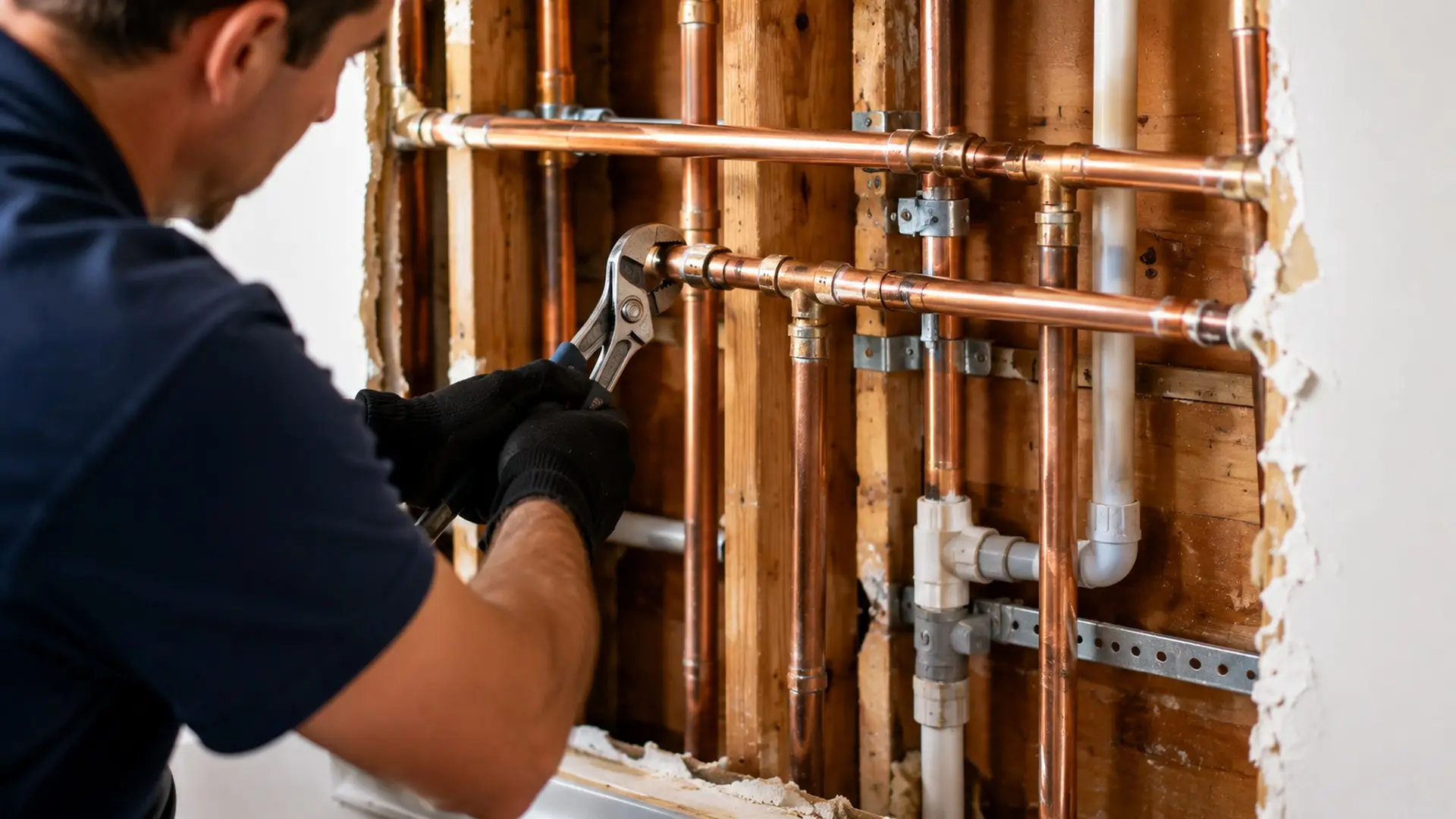
Proactive care is another crucial aspect of trenchless solutions and maintenance. Regular inspections using closed-circuit television sewer camera technology enable homeowners to detect possible issues early. By keeping Drain repair of the condition of their sewer pipes and promptly handling minor repairs before they grow, property owners can avoid the high costs associated with large sewer failures. Incorporating like this into a regular care routine not only protects a home's plumbing but also contributes to the overall sustainability of wastewater management practices in the province.
Preventive Actions Against Sewer Backups
Sewer overflows can lead to significant harm to homes and properties, especially during heavy rainfall or when the municipal system is overloaded. One of the most efficient protective actions is the setup of backwater valves. These devices prevent sewage from rising back into the home through the main wastewater line in the case of overflows. Homeowners in the province of Ontario should seek advice from licensed contractors to inspect their plumbing systems and determine the best placement for these installations, to ensure proper installation to maximize their utility.
Regular maintenance of sewer systems is essential in mitigating backups. This includes carrying out CCTV sewer camera inspections to detect issues such as hidden lateral line issues, which is prevalent in many Ontario-based homes. It is also important to manage tree roots that can penetrate into clay sewer pipes, a common problem in Southwestern Ontario. Homeowners can invest in hydro jetting or snaking services to clear obstructions, enabling free-flowing drainage and minimizing the risk of backups.
Finally, homeowners should evaluate the merits of sump pump setups, especially in areas vulnerable to flooding. Installing a sump pit with a backup system can provide peace of mind during severe storms, guaranteeing that water is effectively managed. Additionally, separating downspouts from the sanitary sewer system aids direct water away from foundations and reduces the risk of overwhelming the sewer infrastructure, further shielding homes from the harmful effects of wastewater overflows.